Technical University of Denmark (DTU) · Department of Health Technology, Digital Health

Computational Signal-to-Health Modeling

How can routinely collected physiological signals — a night of sleep, a week of wrist accelerometry — become robust, clinically meaningful measures of health and disease? This work develops the signal-processing and machine-learning methods to make that possible.

Research highlights

01/05

539

Citations · h-index 13

46

Publications & preprints

23

Completed student & PhD projects

4

Major research collaborations

Citation metrics via Google Scholar, updated 2026-08-23.

Research themes

View all
  1. 01

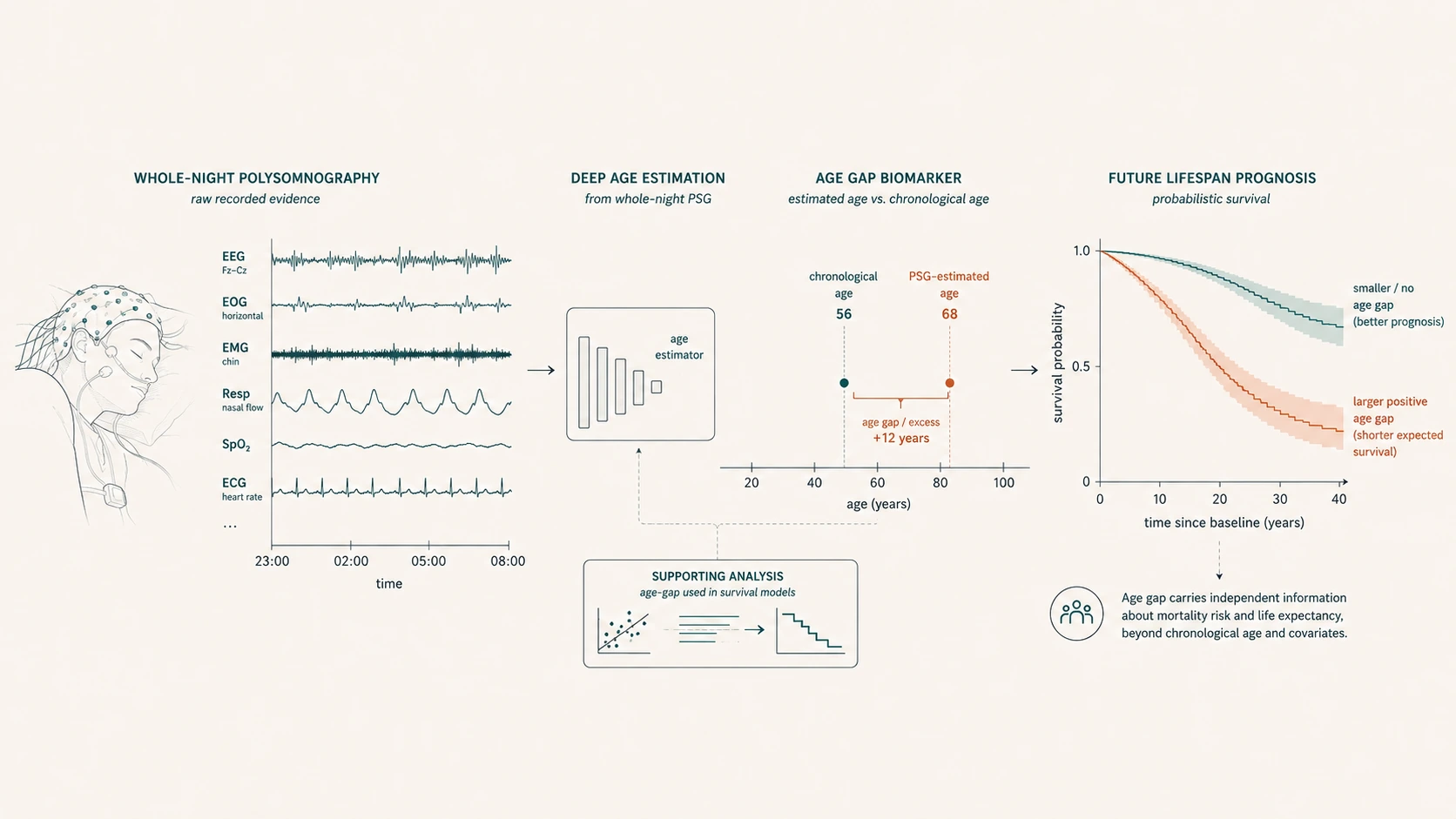
    Sleep physiology and digital biomarkers

    Extract interpretable markers of sleep health, aging, fragmentation, and neurological disease from polysomnography and related physiological signals.

  2. 02

    Foundation models for physiological signals

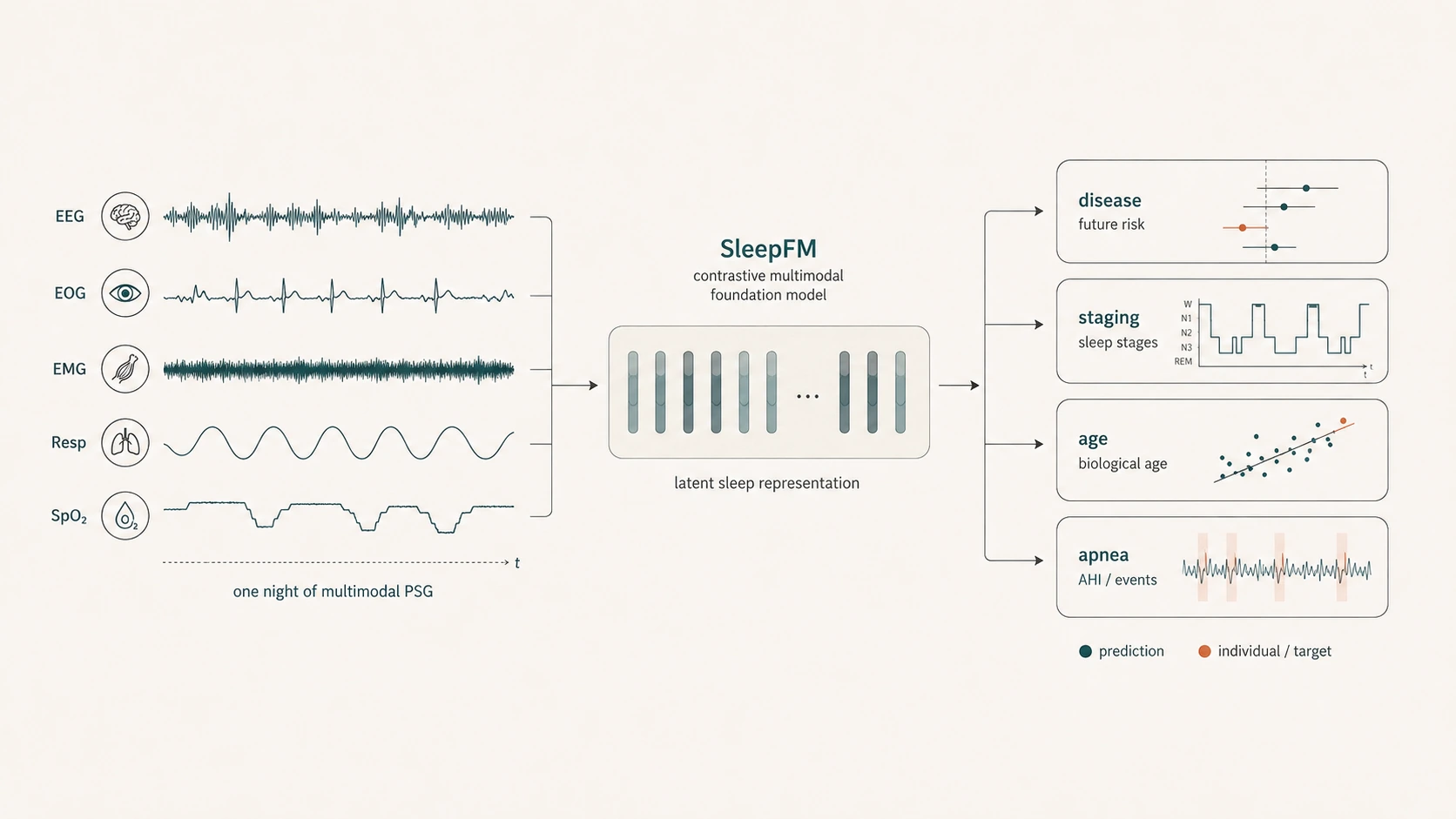
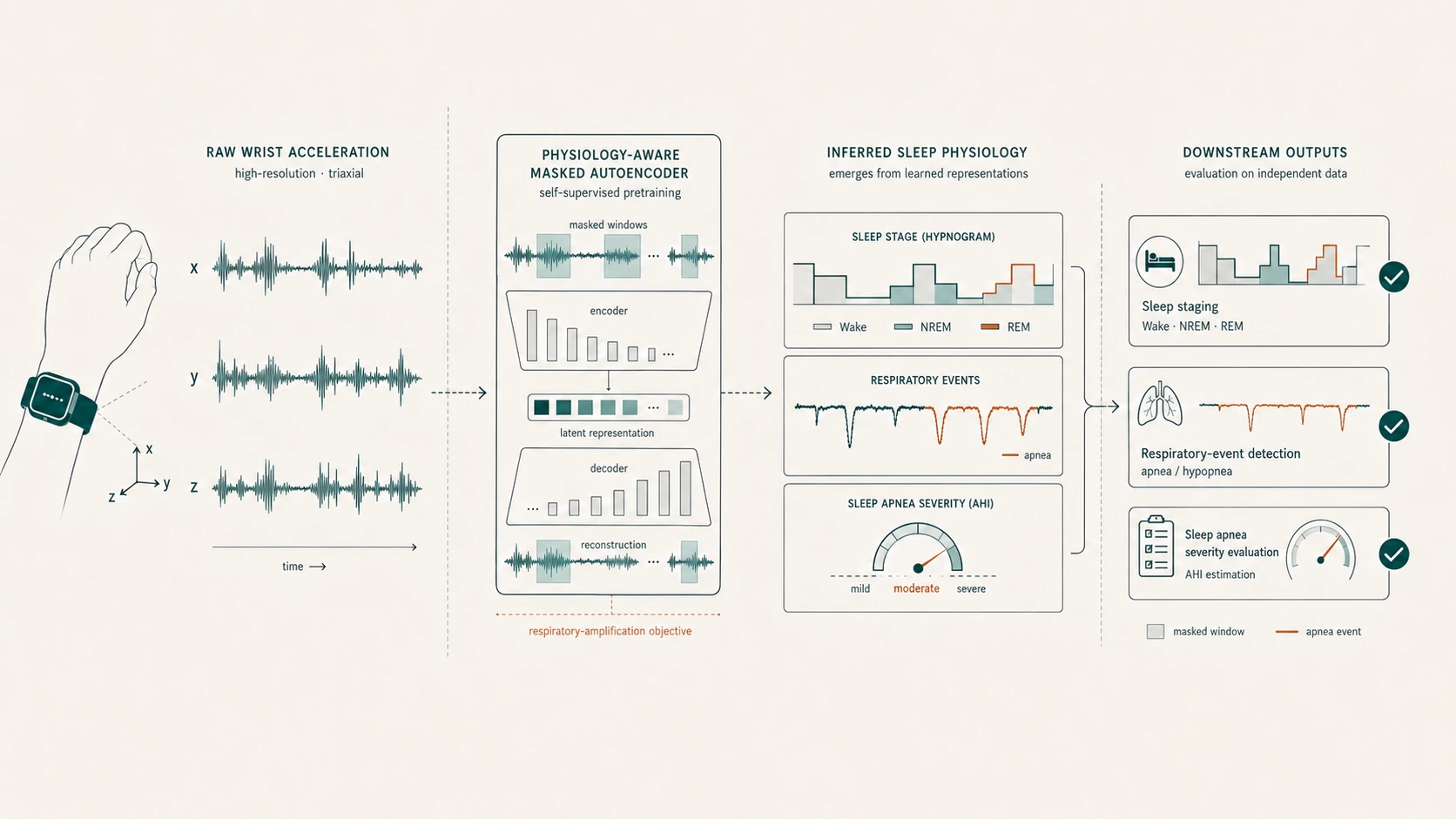
    Develop and evaluate self-supervised and foundation-model approaches that learn reusable representations across physiological modalities, cohorts, and downstream health tasks.

  3. 03

    Wearables for scalable health assessment

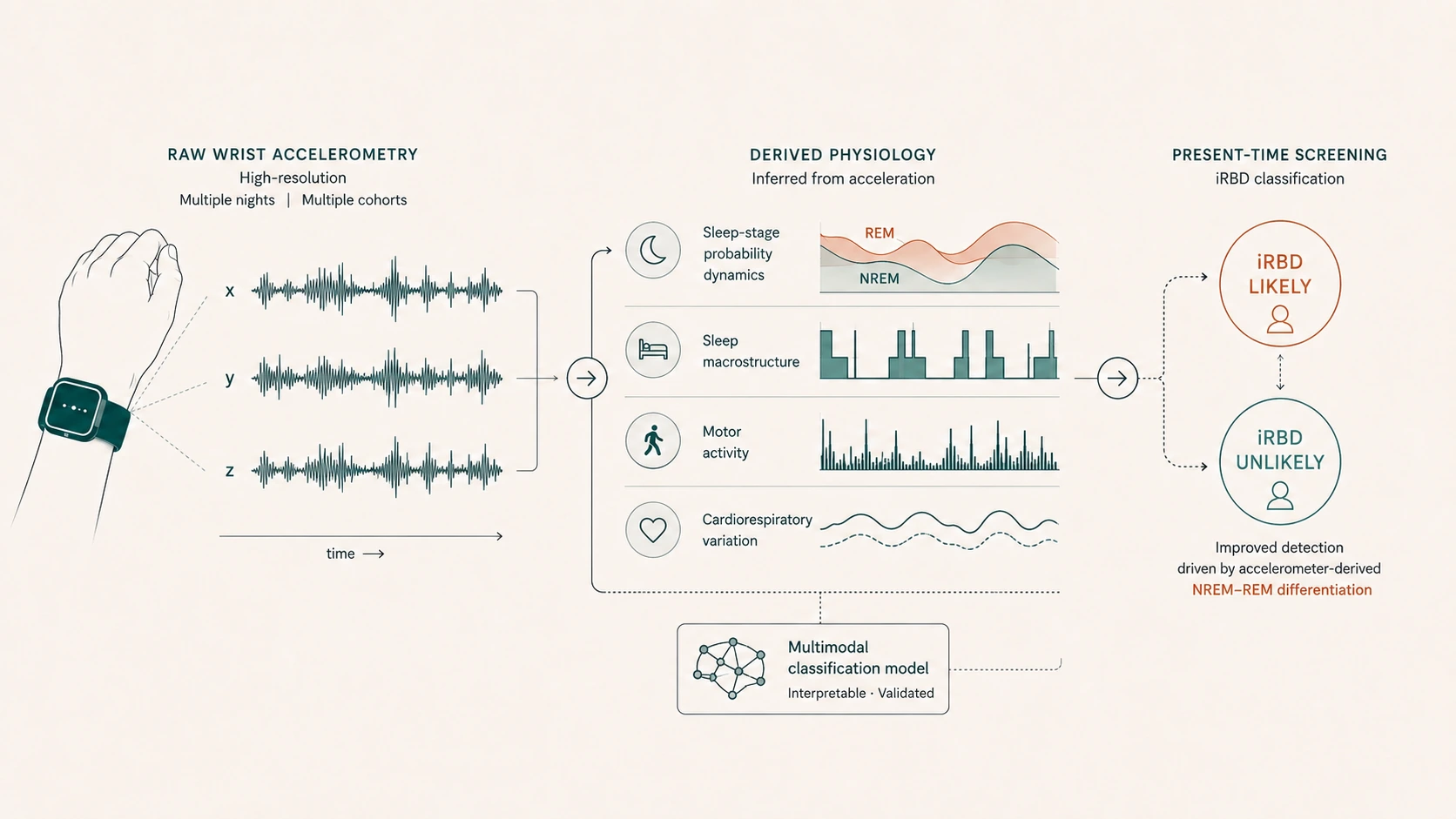
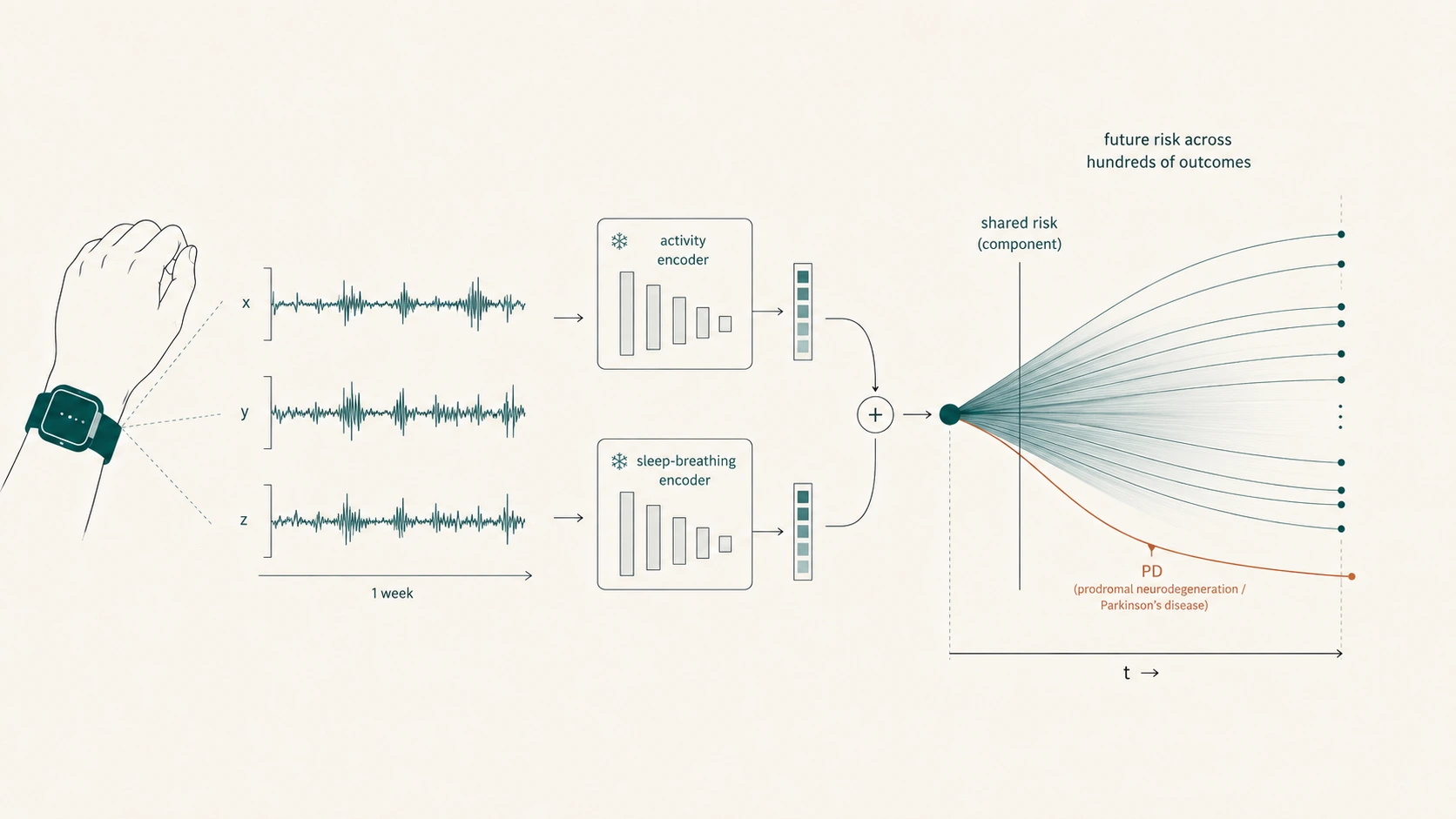
    Use wrist accelerometry and other low-cost sensors to derive scalable physiological markers for sleep, activity, neurodegenerative disease screening, and future health risk.

About

Andreas Brink‑Kjær is a Tenure Track Assistant Professor in DTU's Digital Health section. He completed his PhD at DTU in 2022 — with research conducted across DTU and Stanford University's Center for Sleep Sciences and Medicine — and has since focused on turning large-scale physiological data into validated, transferable clinical biomarkers.

Full background, teaching & supervision record

Get involved

Prospective MSc & PhD students

No open calls posted right now — strong candidates are still welcome to reach out.

See opportunities

Collaborators & industry

Interested in a research collaboration, data access, or an applied project?

Get in touch