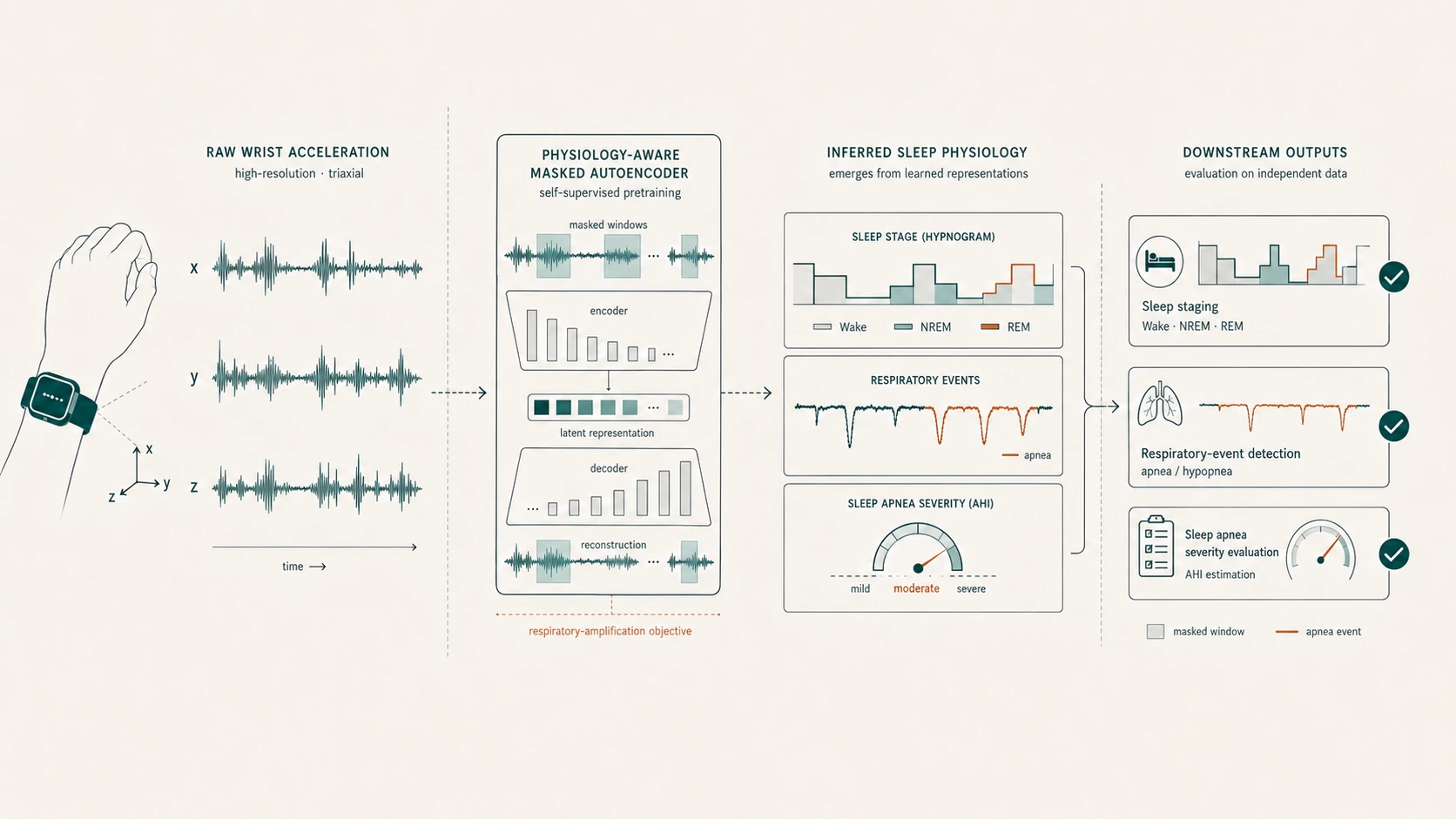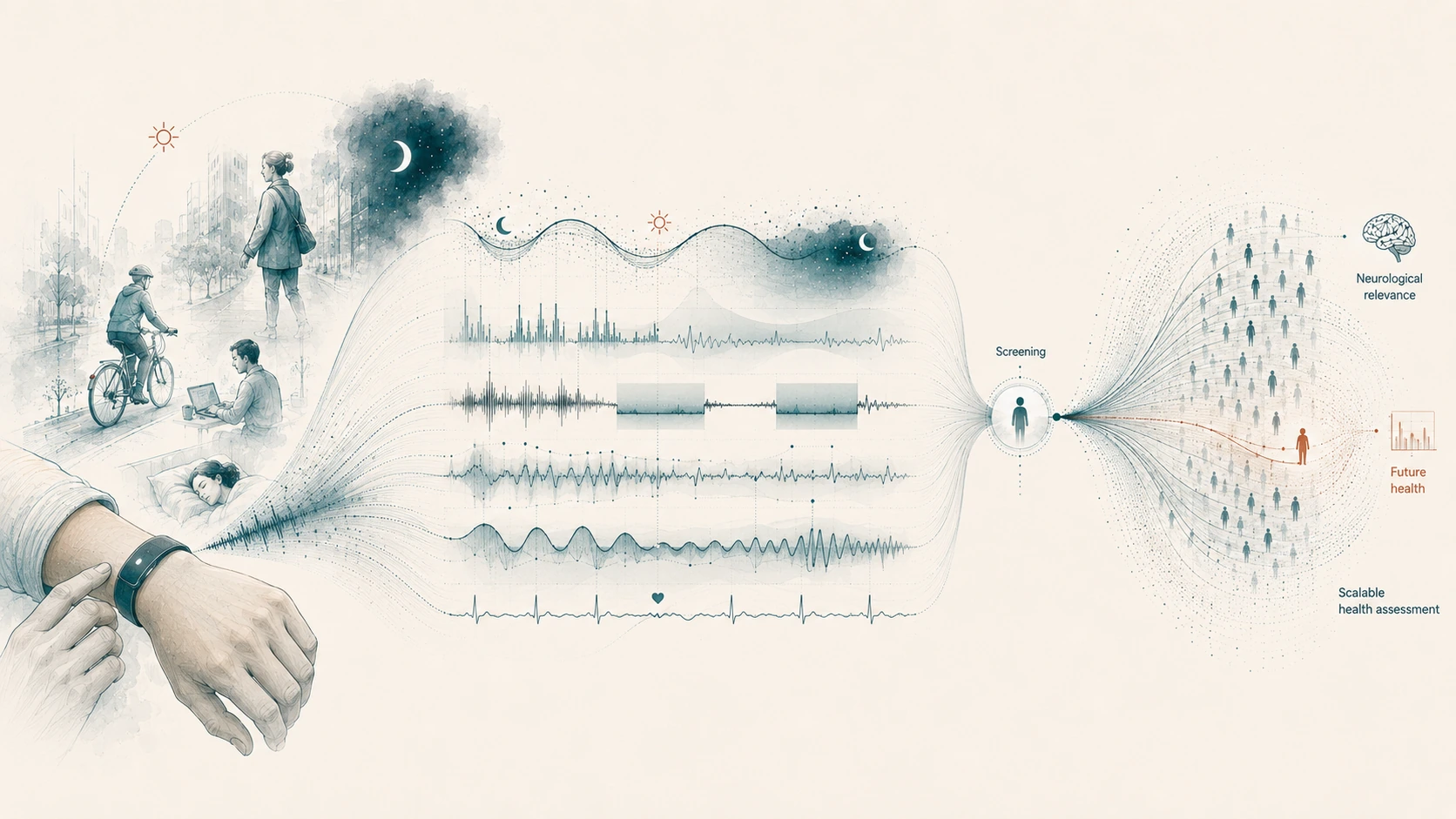
Wrist-worn accelerometers and other low-cost sensors make it possible to assess sleep, activity, and neurological health at a scale that polysomnography cannot reach. This theme develops scalable, wearable-derived physiological markers for screening and future health-risk prediction, organized around two strands of motor and sleep signal analysis plus a dedicated line of foundation-model architectures.
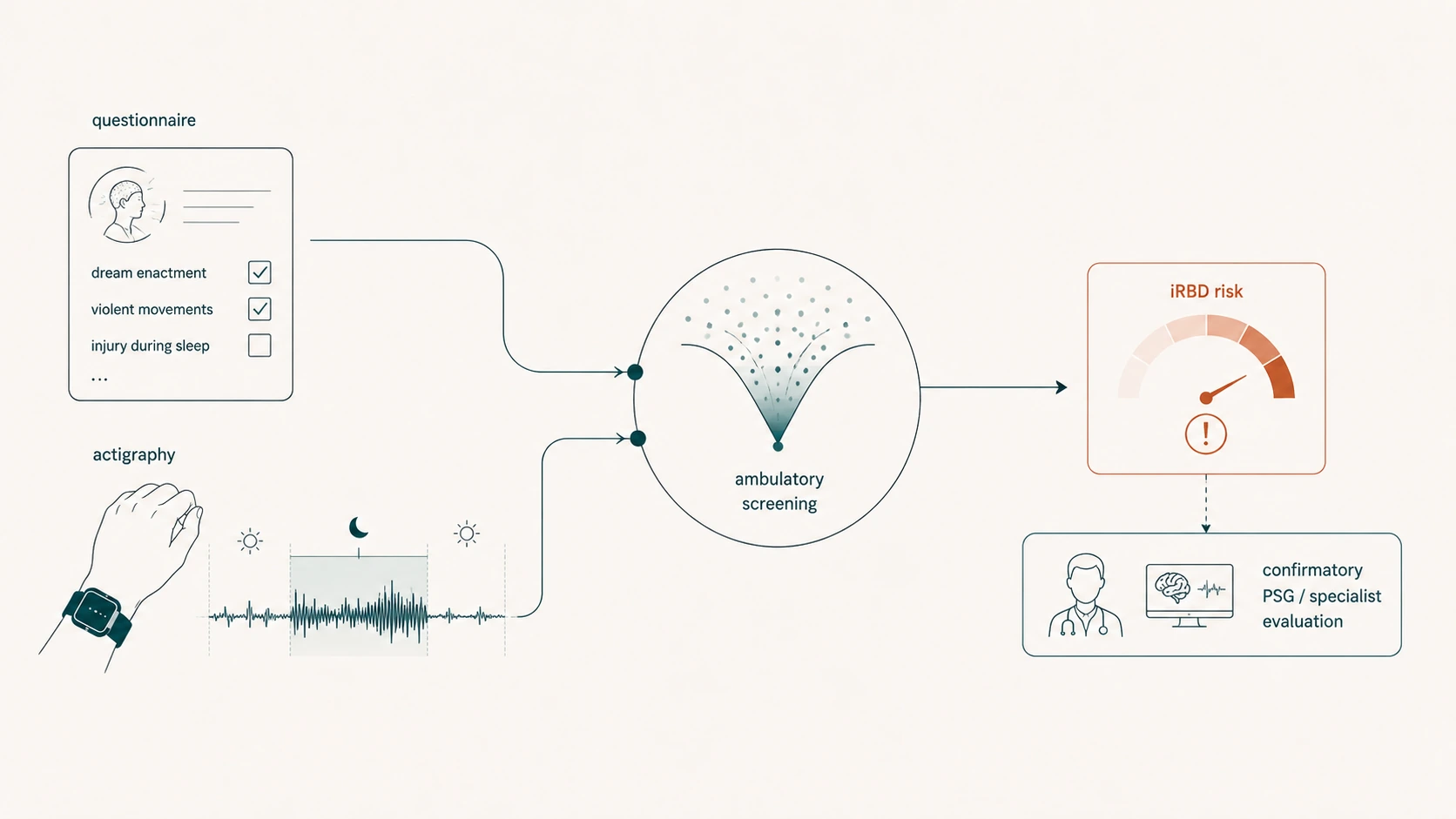
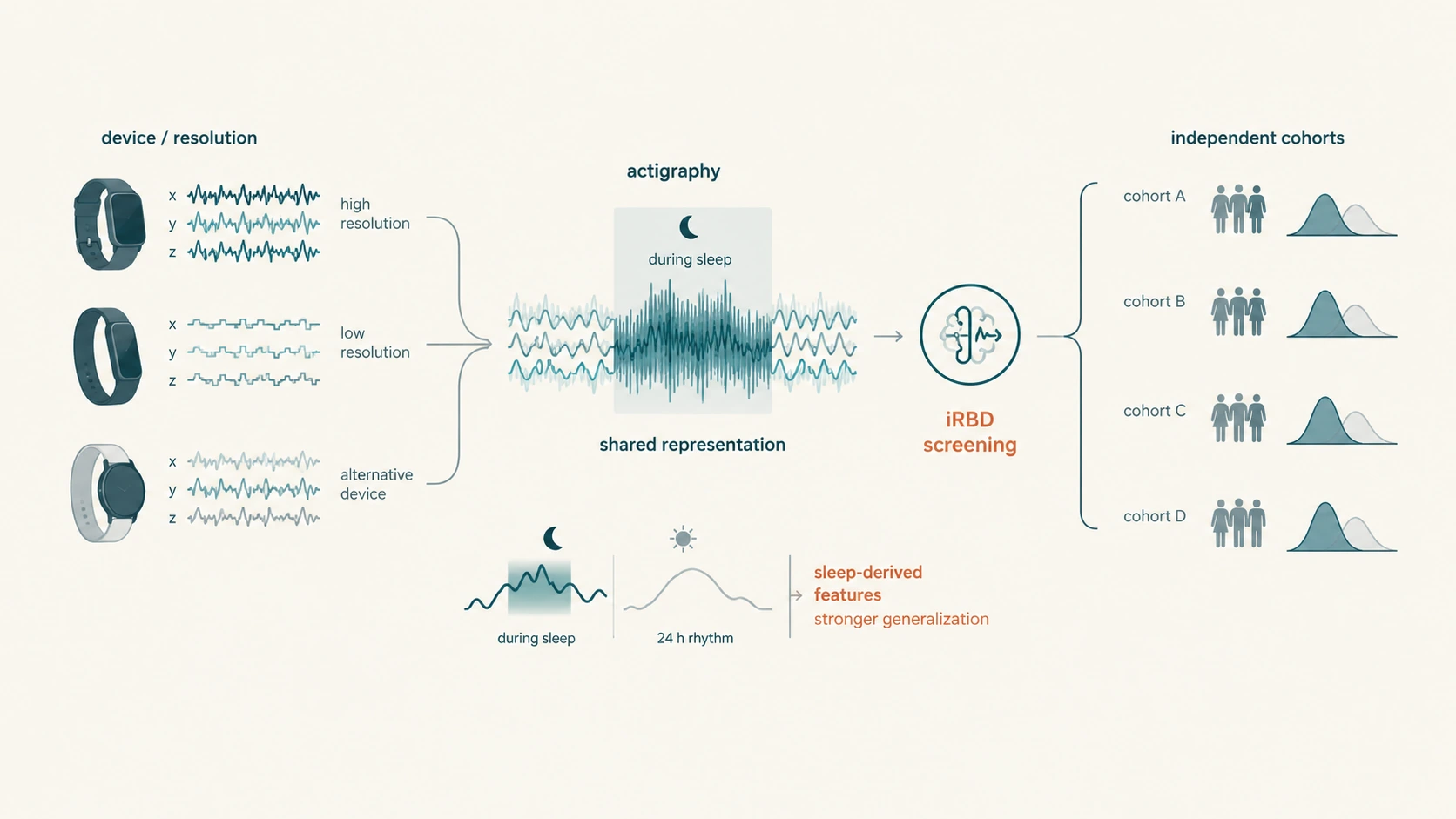
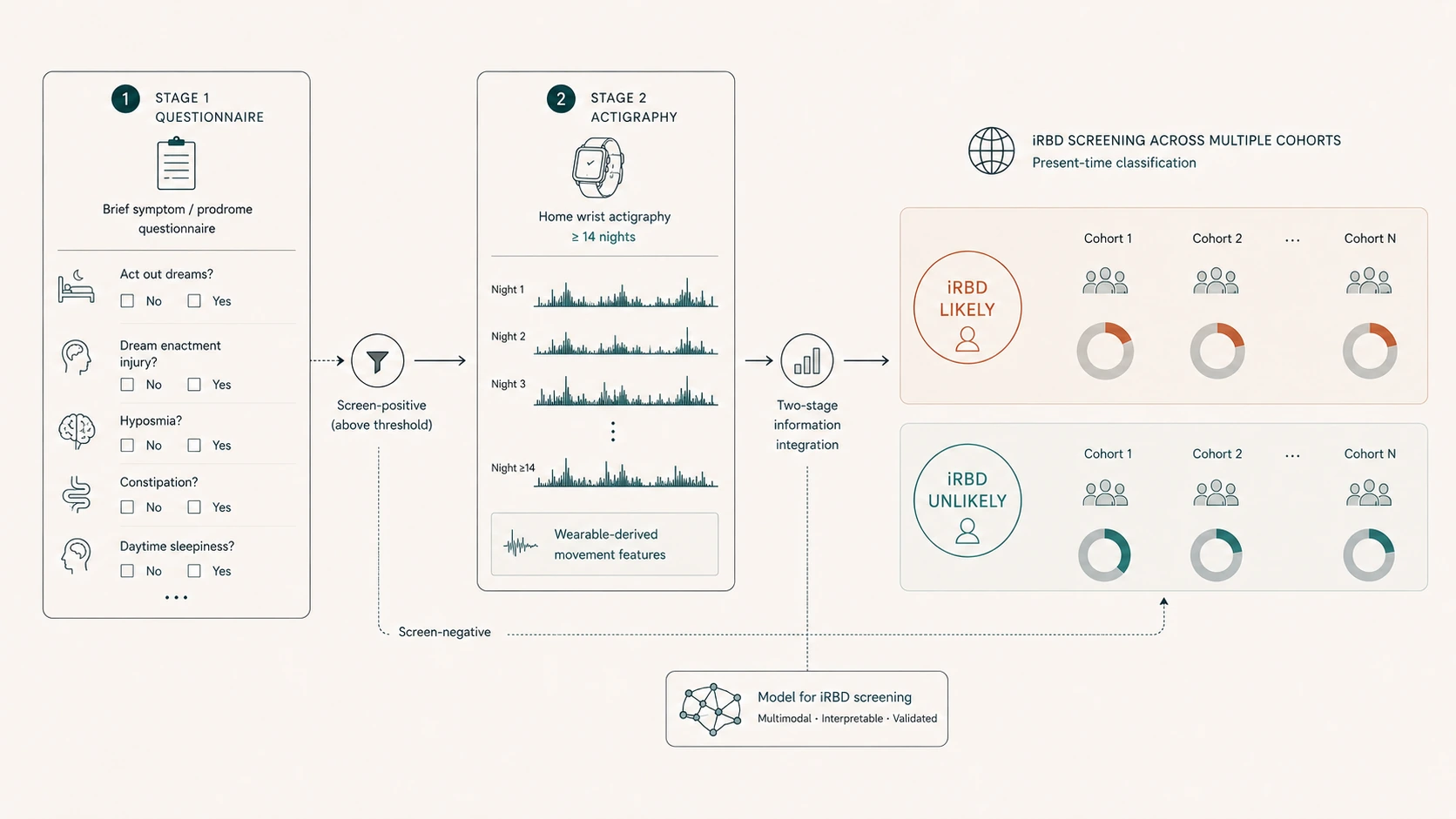
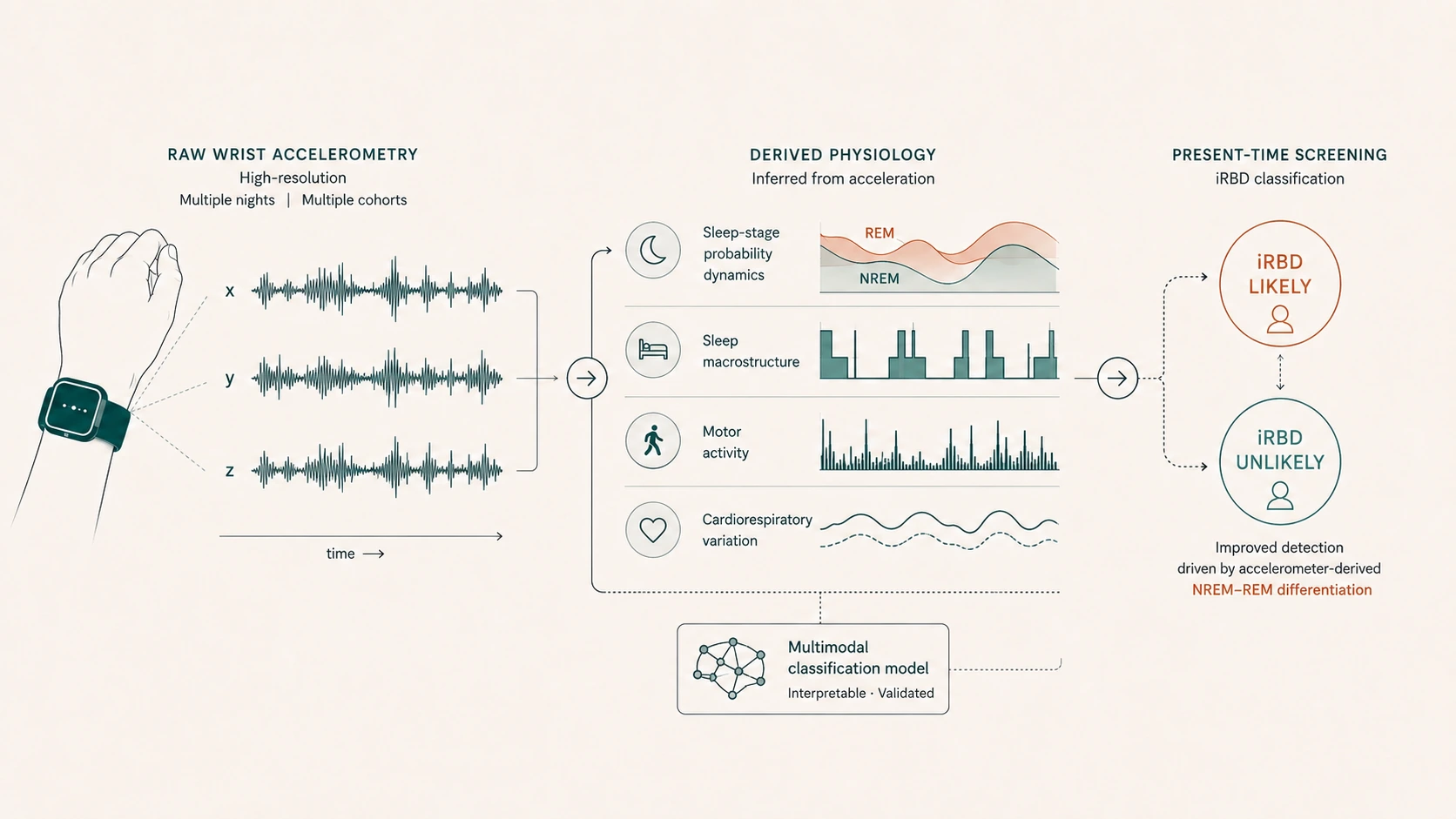
Wearable screening for isolated REM sleep behavior disorder. A series of studies — ambulatory detection combining actigraphy and questionnaire, its multicenter validation across devices and populations, a practical two-stage questionnaire-and-actigraphy screening protocol, and the follow-up physiological-signatures study — developed and validated actigraphy-based approaches for identifying isolated REM sleep behavior disorder, a strong prodromal marker for Parkinson’s disease and related synucleinopathies.
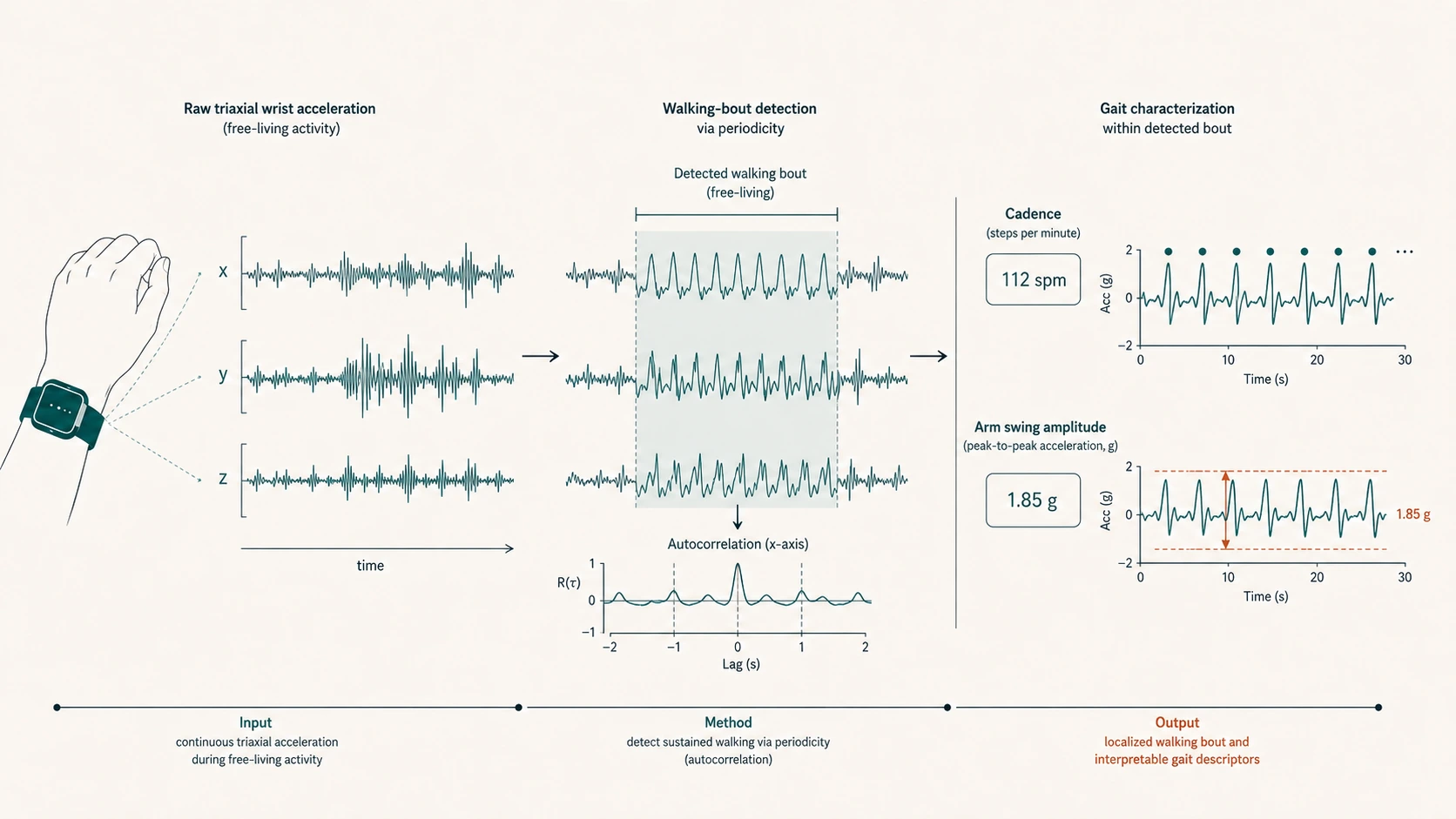
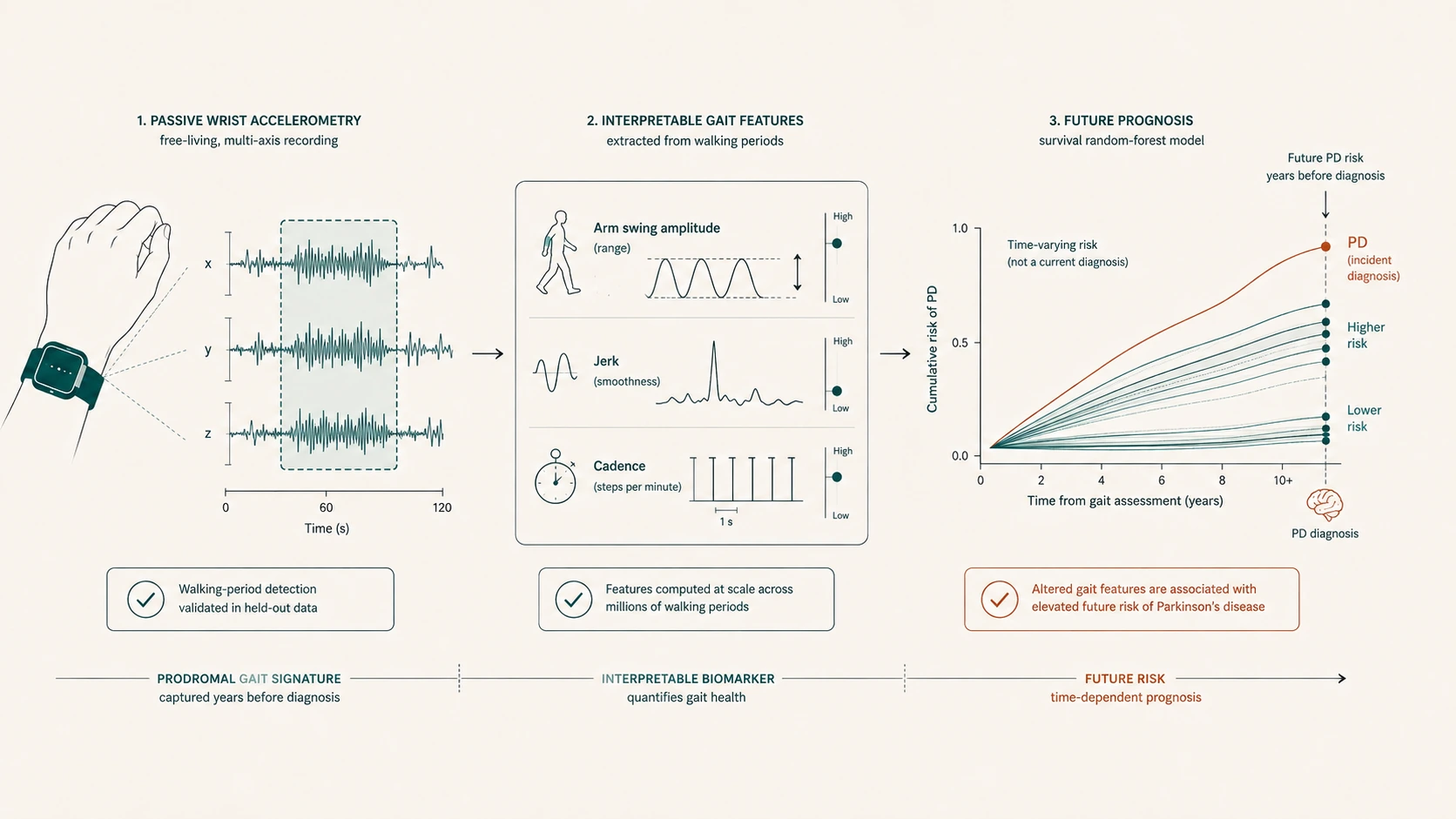
Gait and motor function. A separate line of work uses the same wrist accelerometry to detect walking bouts in free-living conditions, then applies that detector to characterize gait alterations associated with Parkinson’s disease — extending wearable screening from sleep into everyday movement.
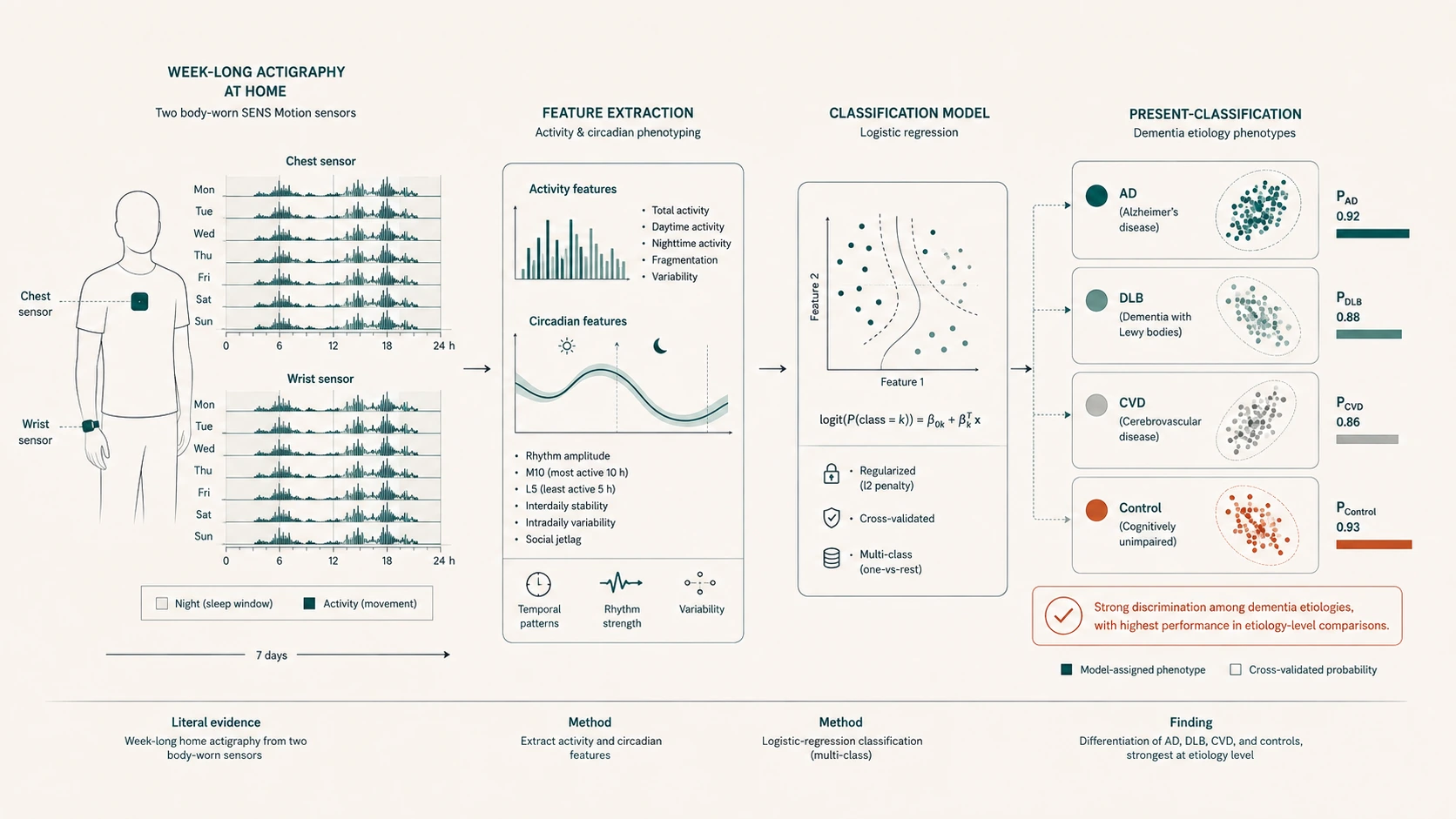
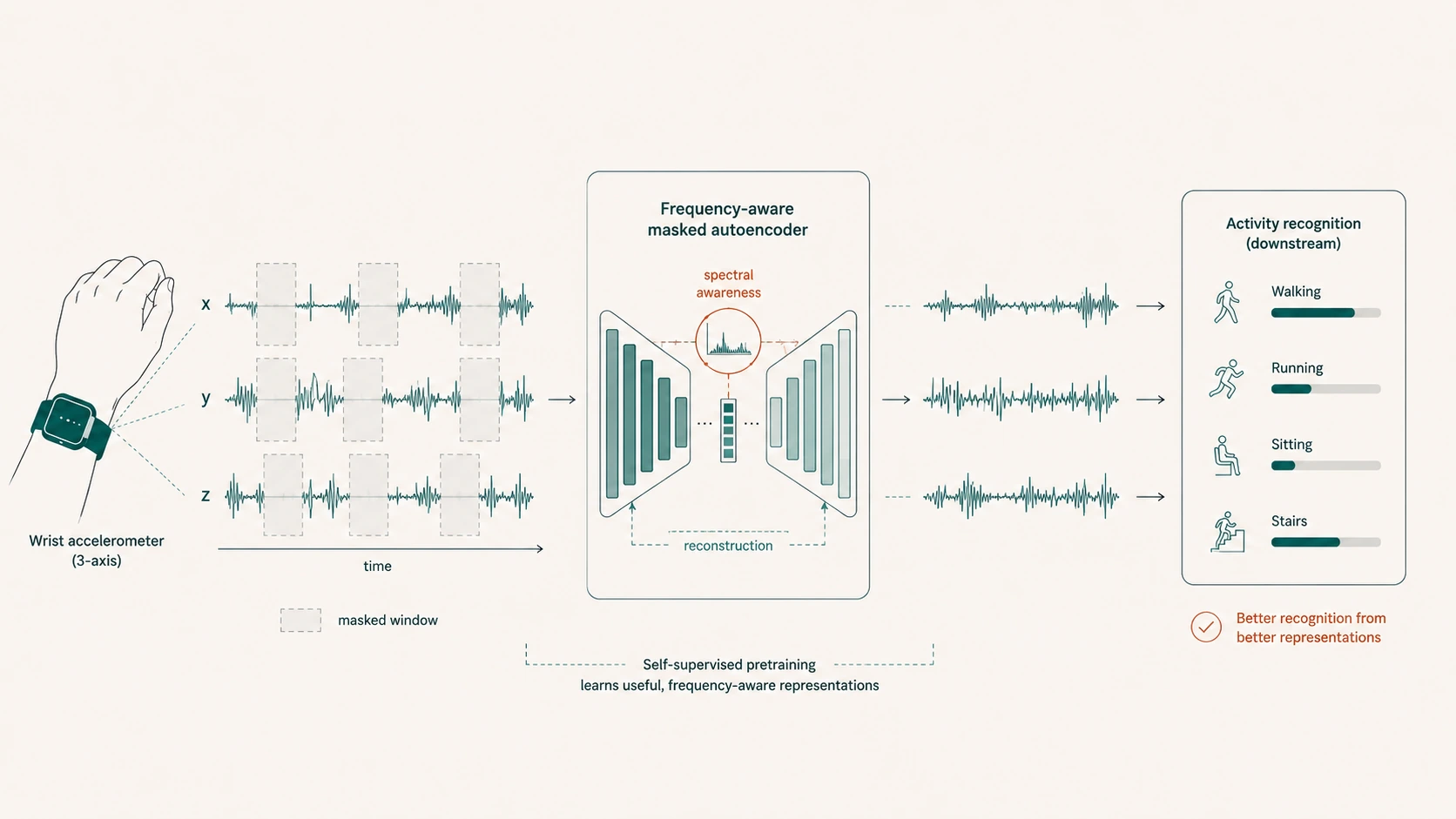
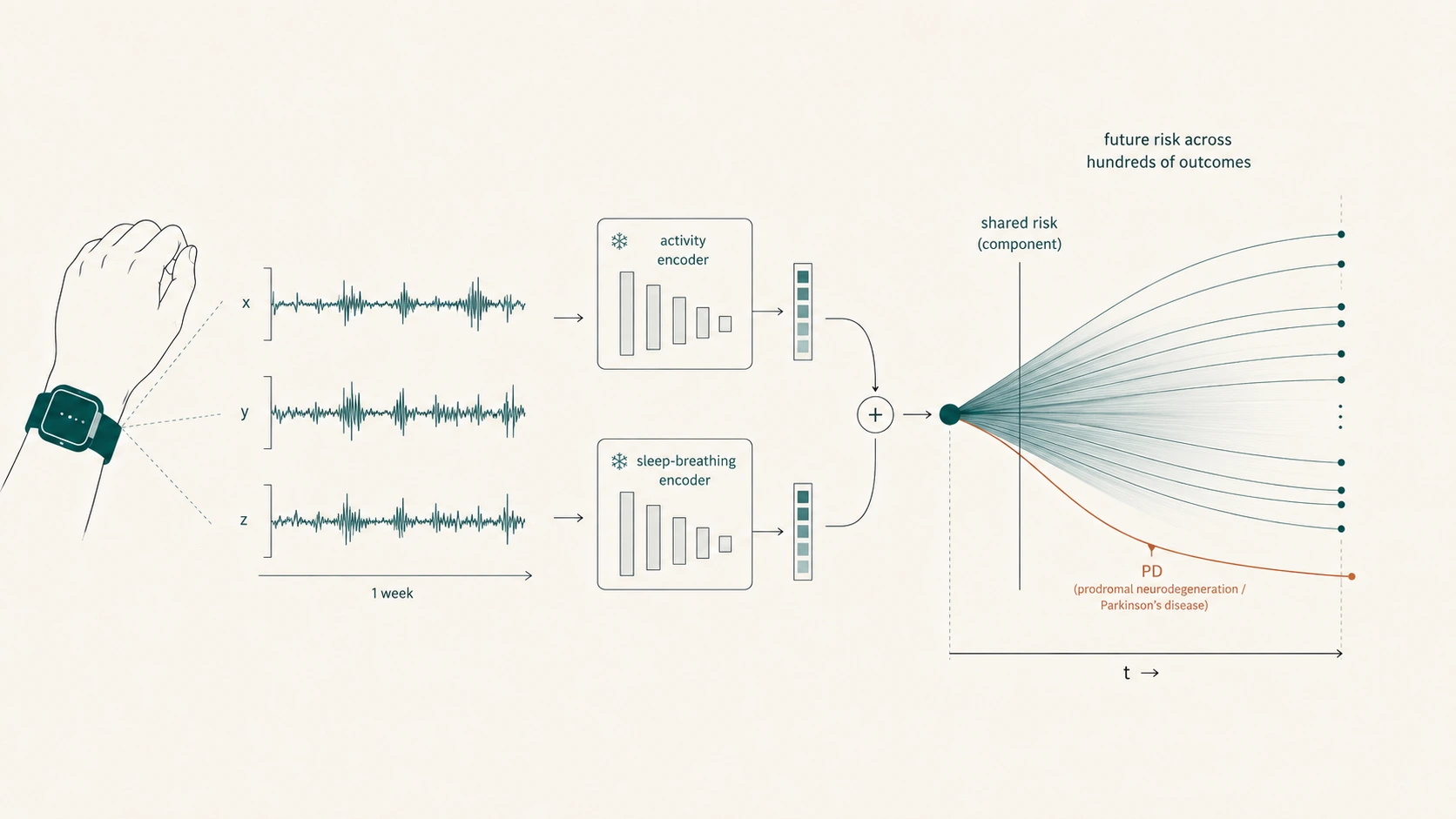
Accelerometry and future health risk. The same wrist accelerometry is the basis for a dedicated line of foundation-model architectures — see Foundation models for wrist accelerometry — including large-scale prediction of future disease risk from a single week of wrist movement, and actigraphy-based differentiation of dementia etiologies in a memory-clinic population.